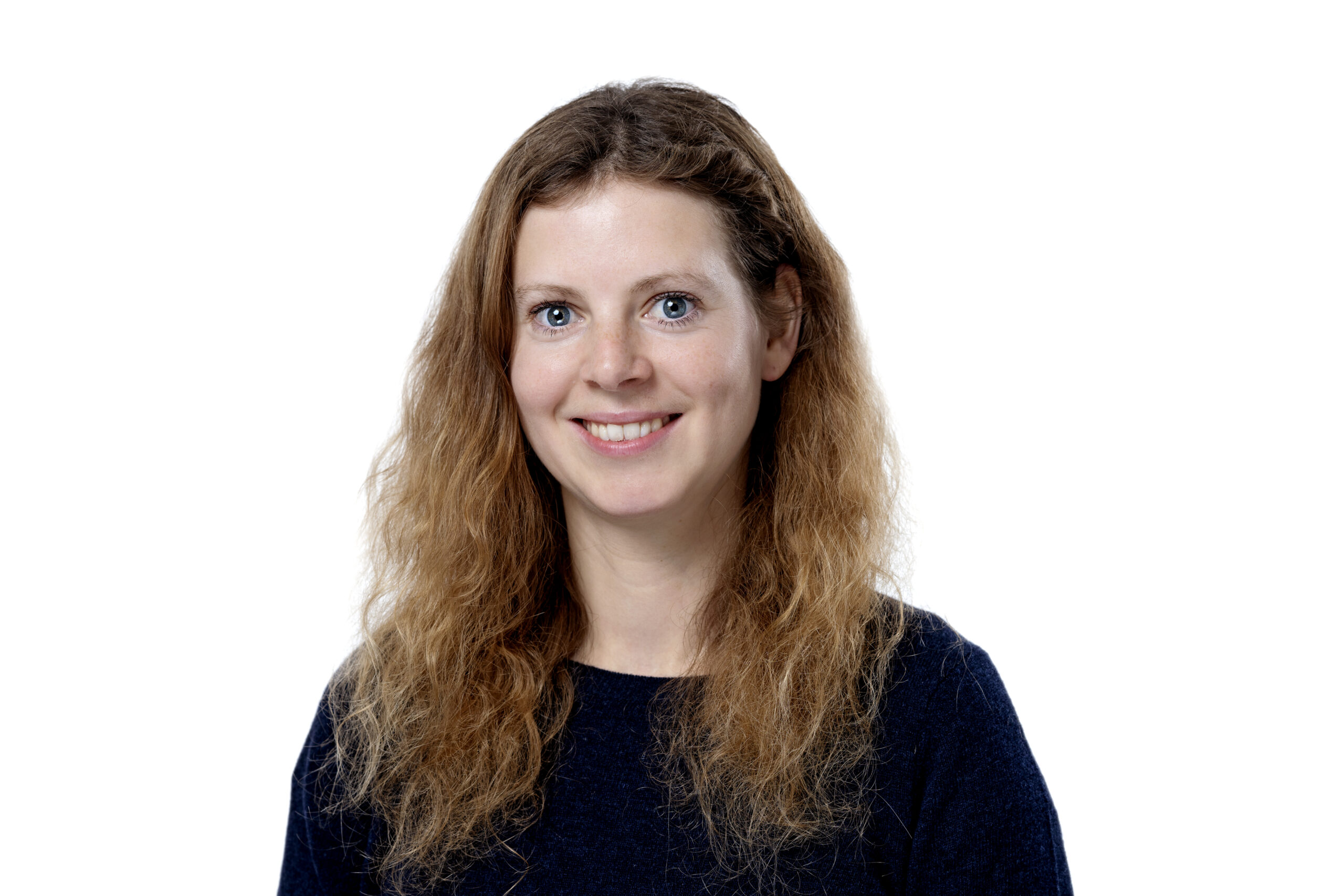
Crime register researcher Kira Solveig Larsen joins FIRE as a Visiting Fellow to expand her expertise in Nordic register data
The Finnish Infrastructure for Register-Based Research (FIRE) has launched its Visiting Fellow programme, inviting leading international scholars to collaborate with Finnish researchers and explore Finland’s unique register data. One of the first fellows to arrive is Danish sociologist Kira Solveig Larsen, who will visit the University of Eastern Finland in September.
The FIRE Visiting Fellow programme aims to strengthen international collaboration in register-based research by bringing researchers to Finland to contribute new perspectives, methods and networks. At the same time, it seeks to make Finland’s extensive register data more accessible to the global research community. This year, six visiting researchers will take part in the programme across FIRE’s host organisations.
Kira Solveig Larsen holds a PhD from the Danish Center for Social Science Research (VIVE) and the Department of Sociology at the University of Copenhagen, and she is currently a postdoctoral researcher at VIVE. Her research focuses on crime and education among disadvantaged adolescents, often from an intergenerational perspective.
“I have been working with Danish register data for 13 years, particularly crime-related registers but also data from a range of others sectors such as education, health and labor market”, Larsen says.
She applied to the FIRE Visiting Fellow programme to deepen her expertise and learn more about Finnish register data.
“I believe that register data is a key asset for Nordic contributions to international research. However, working with register data also presents several challenges. Therefore, I very much look forward to joining the FIRE program and visit Professor Mikko Aaltonen to learn more about Finnish register data and register data in general.”
Although Larsen has extensive experience with Danish data, she has not previously worked with Finnish registers. During her visit, she aims to strengthen both her knowledge of crime-related register data and further strengthen her methodological skills.
“Furthermore, I hope my visit will contribute to my future Nordic collaborations on register-based research”
According to Larsen, the register data is a key asset for Nordic contributions to international research because register data is collected continuously and systematically over a long period – and often at a very detailed level.
“Consequently, register-data gives the researcher a unique opportunity to follow large populations over long periods of time – for example to follow trends in criminal charges over time to check whether crime has actually increased or not.”
According to Larsen, another major contribution of register-based research is that it can gain insights into how policy reforms are implemented as well as their consequences – both intended and unintended.
– Finally, register-based research is valuable because it enables research across generations and across different sectors such as education, health and the criminal justice system.